

The SEO industry has debated the value of Web 2.0 backlinks for over a decade. Are they spam? Are they a foundational pillar for new websites?
The truth lies in execution. Web 2.0 properties (like Medium, WordPress.com, and Blogger) are high-authority platforms that let you create user-generated content pages. When used correctly, they are a powerful asset for controlling your brand narrative. When abused, they trigger algorithmic penalties.
Want to see if you can rank for this keyword?
Discover its exact search volume, CPC, difficulty score, and SERP competition in seconds.
See this keyword's difficulty score →Scenario 1: Dominating Branded Sub-Domain Real Estate
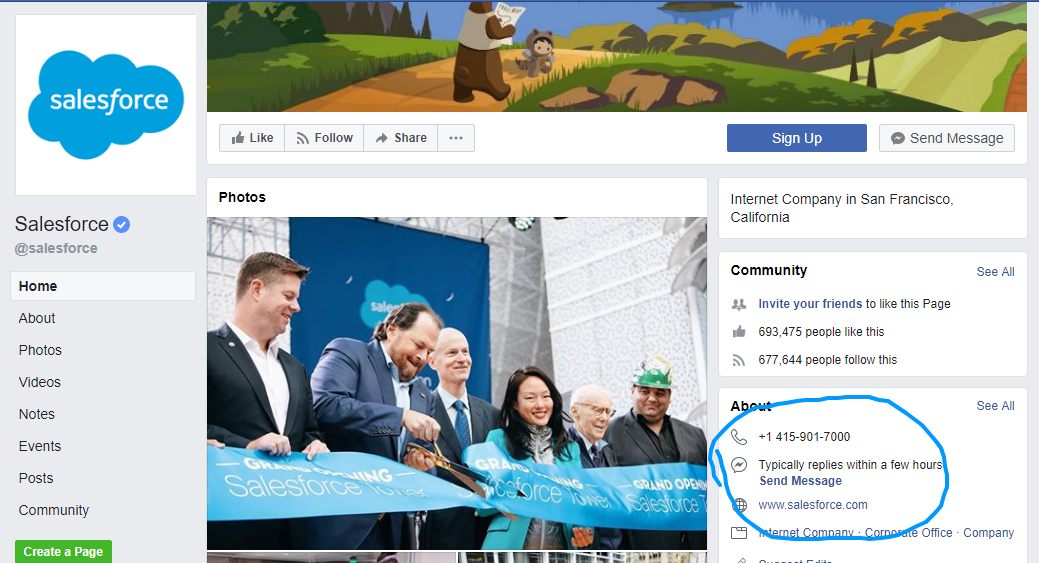
When a potential customer searches for your brand name, you want to permanently own all 10 spots on Page 1. If you leave those spots empty, negative reviews or competitors will eventually claim them.
- Set up highly branded, meticulously designed Web 2.0 properties (
yourcompany.medium.com,yourcompany.wordpress.com). - Publish unique, high-quality press releases or core company values on these properties.
- Link them back to your main domain using branded anchor text.
- Because these properties carry massive domain authority, they easily rank for your brand name, pushing any negative sentiment off Page 1.
Scenario 2: Testing Conversion Intent Safely
Before spending thousands of dollars acquiring tier-1 backlinks to a new landing page, you need to know if the keyword actually drives conversions.
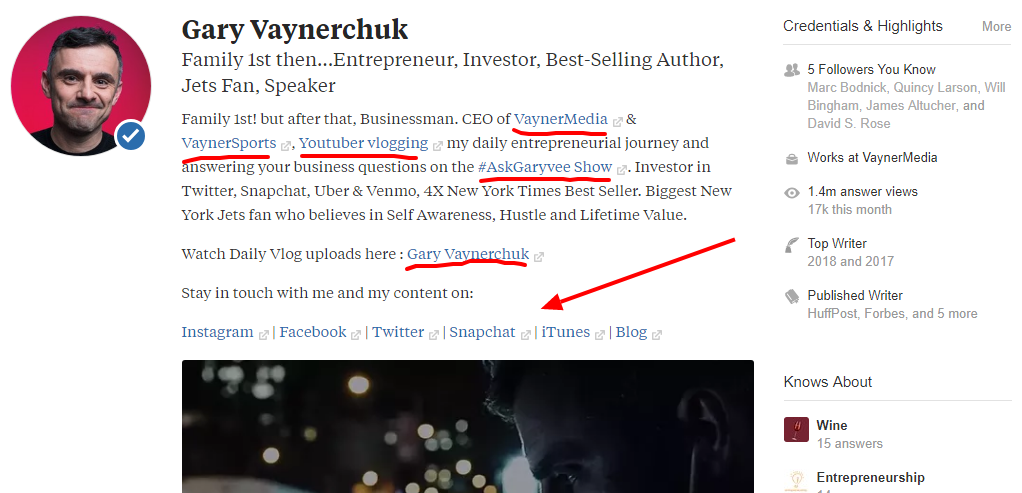
- Publish a "feeler" article on an established Web 2.0 property targeting your new keyword.
- Include a tracking link back to your main sales page.
- Because the Web 2.0 property has built-in authority, it will often rank rapidly on its own for low-competition terms.
- Monitor the traffic that flows through that link. If users convert, you have validated the keyword and can confidently invest real money into ranking your primary domain.
Scenario 3: What to Avoid Completely
The era of spinning 50 garbage articles, posting them across 50 generic Web 2.0s, and pointing them at your homepage is completely dead.
- Never use exact-match money anchors: If every Web 2.0 points to you using "Buy Cheap Laptops" as the anchor text, Google's Penguin algorithm will classify it as a manipulative link scheme.
- Never publish spun content: If the content isn't legible to a human, Google's Helpful Content Update will instantly devalue the link. Treat your tier-1 Web 2.0 properties with the exact same editorial standards you apply to your main domain.
Used defensively, Web 2.0 properties are an impenetrable shield for your brand. Used offensively, they are a fast way to validate your future content investments.
Try the keyword from this article
Find search volume, CPC, keyword difficulty score, and PPC competition in real-time.
Why Premium?
✓
Unlock 300+ daily searches (up from 6)✓
Accurate Keyword Difficulty and search trends✓
Competitor AI overview predictionsKR
Keyword Revealer Editorial Team
SEO Strategies & Product WorkflowsThe Keyword Revealer editorial staff is made up of veteran technical SEOs and content marketing strategists. They build actionable workflows and data-driven guides to help agencies, freelancers, and businesses secure page-one real estate.
Ready to find keywords you can actually rank for?
Keyword Revealer uses AI to predict your ranking potential before you write a single word.
Try Keyword Revealer Free